

 JohnPaul Baric
How to Identify Underperforming Bitcoin Mining Setups
A Self-Audit for Higher ROI
In Bitcoin mining, performance issues aren’t always obvious. Inefficiencies can quietly erode profitability for months before they show up in your wallet. The good news? By tracking the right metrics and knowing what to look for, you can quickly spot an underperforming setup, and take action before the losses pile up.
Is Your Setup Operating at a Loss?
A few percentage points of inefficiency can mean thousands in lost revenue. Before you make another investment, get the “Top 10 Things to Look For in a Bitcoin Hosting Provider” guide, the same checklist investors use to choose the right partner and maximize their returns.
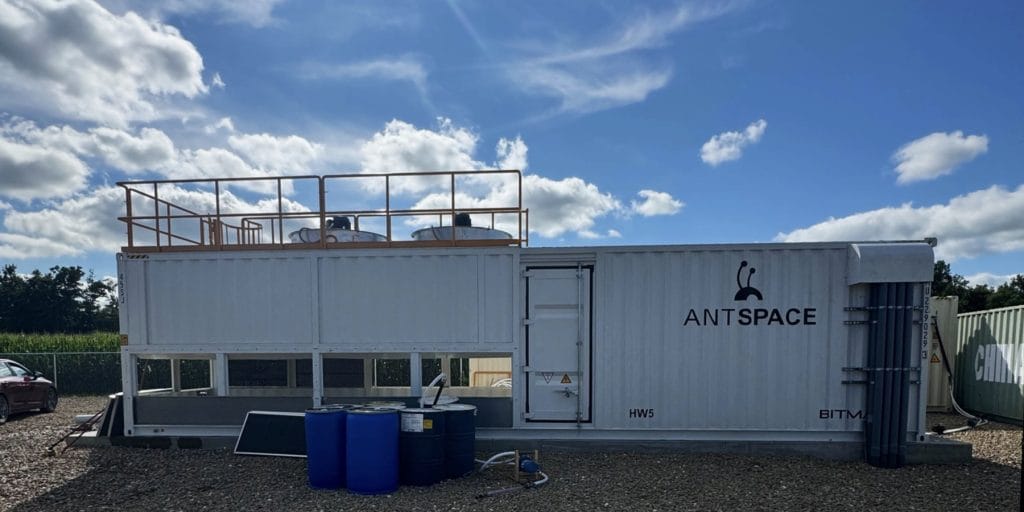
Hashrate and Hashrate per Watt
Your hashrate is your revenue engine. If it’s below manufacturer specs or industry benchmarks for your ASIC model, something’s wrong.
Key Metric:
Hashrate per Watt = Total Hashrate ÷ Power Consumption
Lower-than-expected values signal inefficiency, often caused by hardware, cooling, or configuration issues.
Power Usage Effectiveness (PUE)
PUE shows how much of your facility’s power actually reaches your mining hardware.
PUE = Total Facility Power ÷ Hardware Power
- 1.0–1.2: Excellent
- 1.3+: Wasted energy on cooling or infrastructure
A high PUE means you are paying for non-mining energy use, cutting into margins.
Mining Software and Configuration
Outdated or misconfigured mining software can quietly reduce performance:
- Incorrect pool settings
- Suboptimal algorithm parameters
- Connection errors, invalid shares, nonce errors
Keeping firmware updated and settings optimized is an easy ROI win.
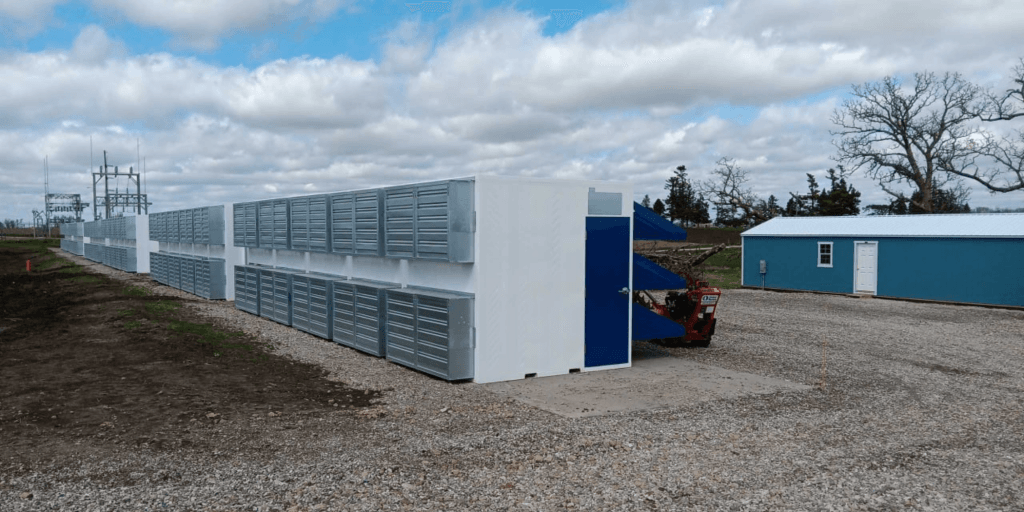
Hardware Condition and Cooling
Signs your hardware is struggling:
- Overheating or high fan speeds
- Frequent shutdowns or throttling
- Visible dust or debris buildup
Poor cooling not only lowers efficiency, it shortens ASIC lifespan, increasing CapEx.
Monitoring Tools and Dashboards
If you aren’t tracking your miners in real time, you are flying blind. Use dashboards that monitor:
- Uptime
- Temperature
- Hashrate fluctuations
- Share acceptance rates
Benchmark Against Industry Standards
Compare your Joules per Terahash (J/TH) to top-tier models. If you are significantly higher, your hardware is burning more energy for less work.
Environmental and Network Factors
Unstable internet or power interruptions, even for minutes, can result in stale shares and lost revenue. Network reliability is part of mining efficiency.
The Red Flags That Require Action
Your setup may be underperforming if:
- Hashrate per Watt is below peer averages
- PUE is above 1.3
- Share acceptance is <98%
- Frequent hardware or cooling issues occur
- Unexplained downtime or rejected shares are common
From Diagnosis to ROI Recovery
Spotting underperformance is only step one, fixing it is where ROI is won.
For hosted miners, many of these issues stem from the facility itself: poor cooling, power instability, hidden inefficiencies in infrastructure.
This is where MiningStore’s infrastructure advantage comes in:
- Iowa-based, energy-stable hosting
- Air and hydro-cooled environments to optimize efficiency
- Uptime and transparent power usage reporting
- On-site support for rapid resolution
Want to know exactly how much your current inefficiencies are costing you?
Our free ROI and Performance Consultation will benchmark your setup against optimal conditions, and show you what you would gain by hosting with MiningStore.